Outdoor spaces can remain useful and inviting after sunset when lighting is planned with purpose. Landscape lighting design can emphasize important features, improve visibility, and give patios, paths, planting beds, and architectural details a clear nighttime presence. For homeowners considering backyard design, lighting can also help connect different areas of the property.
Highlight Architectural Details
Lighting can draw attention to features that may disappear after dark. Low fixtures can wash light across retaining walls, textured surfaces, columns, steps, or entry features. Instead of illuminating every surface equally, focused placement can create contrast and help selected details stand out.
Define Paths and Entry Areas
Pathway lighting serves both practical and visual purposes. Fixtures positioned along walkways can make changes in elevation, turns, and edges easier to see. Entry lighting can also make doors, steps, and transitions more visible for residents and guests.
Spacing matters. Fixtures placed too closely together may create excessive brightness, while large gaps can leave areas difficult to see. A balanced arrangement provides useful illumination without making the property feel overly bright.
Emphasize Planting Areas
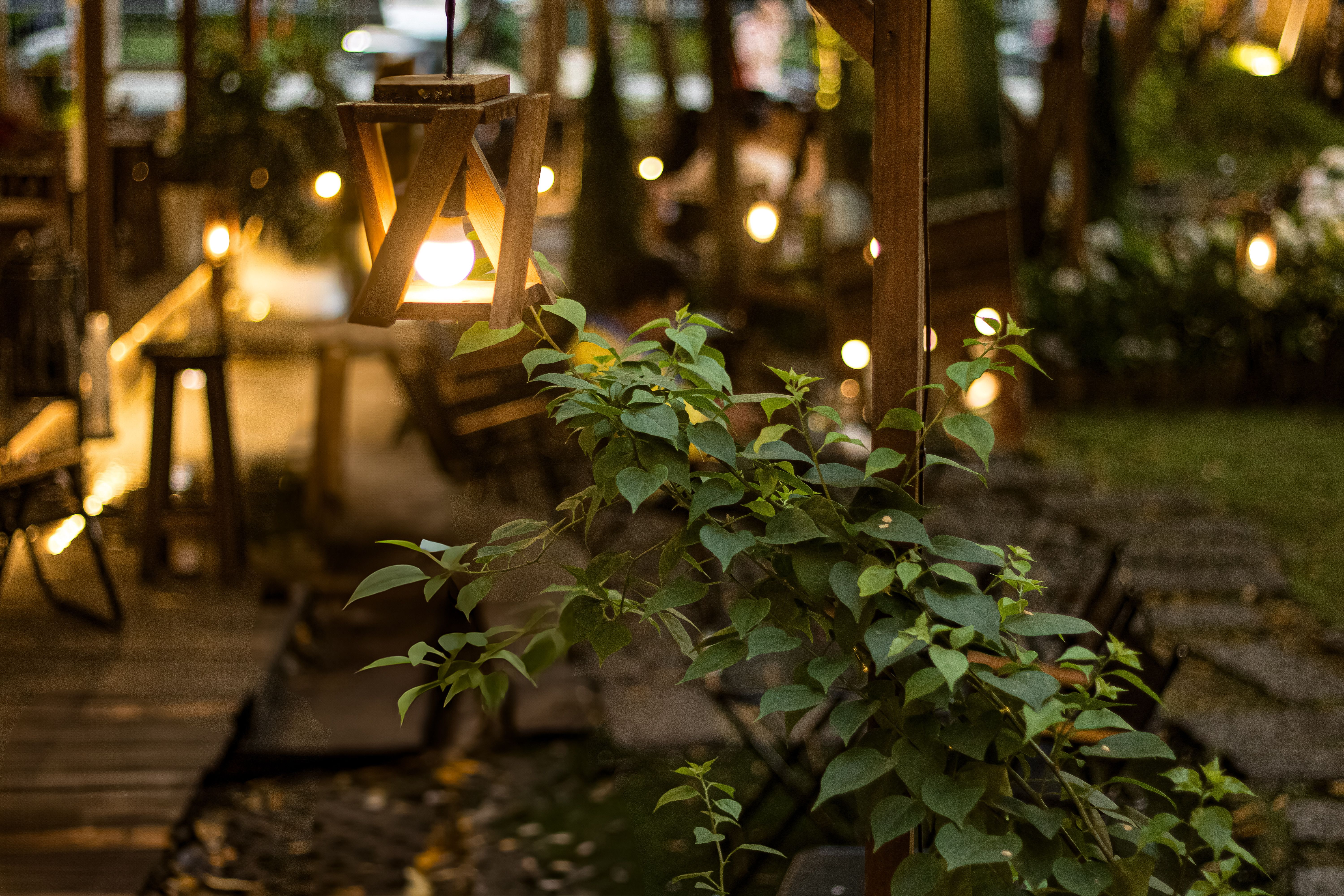
Trees, shrubs, ornamental grasses, and flower beds can take on a different appearance under carefully positioned lights. Uplighting can emphasize tree trunks and canopies, while lower fixtures can highlight foliage near patios or seating areas. Warm, controlled illumination can bring attention to plant forms without overwhelming the surrounding space.
For homeowners researching landscape design, lighting should be considered alongside plant placement. Mature trees and shrubs can change how light travels, so fixture positions may need adjustment as vegetation grows.
Create Focal Points
Every outdoor area can benefit from one or two features that naturally draw attention. A water feature, specimen tree, seating area, fire feature, or architectural element can serve as a nighttime focal point. Lighting these areas selectively helps establish visual order and prevents every feature from competing for attention.
Improve Outdoor Usability
Good lighting can make patios, decks, and gathering areas more comfortable after sunset. Rather than relying on one powerful fixture, several lower-intensity sources can spread illumination more evenly. This approach can reduce harsh shadows and make outdoor activities easier to enjoy.
Lighting should also complement existing surfaces. Pavers, turf, planting beds, walls, and steps can each respond differently to illumination. Testing fixture positions before final installation can help determine where shadows and glare occur.
Proper fixture selection also matters, since beam spread, brightness, color temperature, and mounting height can change how each feature appears after sunset on site.
A thoughtful lighting plan can make outdoor features easier to appreciate while supporting safer movement at night. With options such as artificial grass installation, turf products, and a landscaping company in Essex, Turrific Turf can help you create an outdoor setting where lighting, surfaces, and planting work together naturally. Contact us today