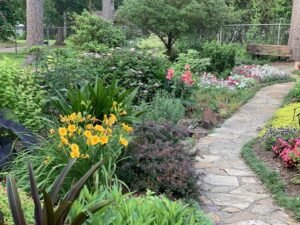
Some parts of a yard can be difficult to use because of steep slopes, limited space, poor drainage, or heavy shade. With thoughtful planning, difficult landscape areas can become useful and attractive parts of a property. For homeowners considering backyard design, these spaces can offer opportunities for creative planting, practical surfaces, and better use of available ground.
Make Slopes More Manageable
Sloped areas can cause erosion, make mowing harder, and increase water runoff. Planting deep-rooted shrubs, grasses, and groundcovers can help hold soil in place while adding color and texture. Terraced beds can also divide a steep section into smaller planting zones. Where appropriate, retaining structures can create level areas for plants or seating.
Give Narrow Spaces a Purpose
Side yards and narrow strips between structures often receive little attention. Instead of filling these areas with plants that may eventually become overcrowded, choose compact varieties suited to the available width. Paved paths, gravel, or narrow planting beds can create useful access while keeping the space orderly.
Vertical elements can also help. Trellises and climbing plants can add height without taking up much ground space, making them useful where horizontal room is limited.

Work With Shaded Corners
Corners beneath trees or beside buildings may receive limited sunlight. Rather than forcing sun-loving plants into these locations, select shade-tolerant options that suit the existing conditions. Ferns, hostas, and certain evergreen plants can provide foliage where grass struggles.
Mulch can help reduce exposed soil and simplify upkeep. Decorative stone can also create a clean surface where planting is difficult, provided drainage remains suitable.
Address Drainage Problems
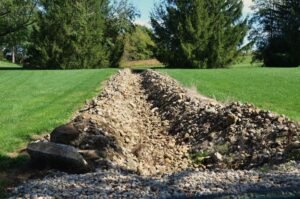
Low areas that collect water can damage unsuitable plants and create muddy conditions. Improving grading or installing appropriate drainage can help direct excess water away from problem spots. Moisture-tolerant plants may also work well in areas where wet conditions remain after rainfall. Using gravel, drainage channels, or raised planting beds can further improve water movement while keeping these challenging areas cleaner and more functional.
Create Useful Focal Areas
A challenging corner does not have to disappear from view. A small seating area, ornamental tree, raised bed, or decorative feature can give an awkward section a clear purpose. Lighting can further improve visibility and make selected features useful after sunset.
For homeowners considering landscape design, difficult areas should be assessed according to sunlight, soil, drainage, access, and intended use. The right combination of plants and materials can make these spaces easier to maintain while improving the property’s overall appearance.
With thoughtful planning, artificial grass products, turf products, and a landscaping company in Essex can support practical solutions for challenging outdoor spaces. Turrific Turf can help you turn overlooked areas into functional features that complement the rest of your property. Contact us today.