Choosing plants that suit local conditions can make an outdoor space easier to maintain and consistent throughout the seasons. Native landscape plants are adapted to regional conditions, while climate-appropriate selections can perform well under similar soil, temperature, sunlight, and moisture patterns. For homeowners considering backyard design, plant selection can influence long-term results.
Adaptation to Local Conditions
Plants suited to the local climate are generally better prepared for the temperatures and seasonal changes they encounter. Native varieties have developed alongside regional weather patterns, soils, and wildlife. Other climate-appropriate plants may also perform well when their needs match the property’s conditions.
This does not mean every native plant belongs in every yard. Sun exposure, soil type, drainage, and available space still matter. Matching a plant to both its natural preferences and the specific conditions of a property can support healthier growth.
Watering and Maintenance
Plant choices can affect how much routine care a yard requires. Once established, plants suited to local moisture patterns may need less supplemental watering than varieties poorly matched to the site. Selecting plants with compatible needs can also simplify irrigation and seasonal maintenance.
Grouping plants according to their sunlight and water requirements makes care more straightforward. Mulching around suitable plants can further help retain soil moisture and reduce unwanted growth.

Supporting Local Wildlife
Native plants can provide valuable food, shelter, and habitat for birds, butterflies, bees, and other wildlife. Flowering periods, seeds, berries, and foliage can support different species throughout the year. Including a variety of plant forms can make an outdoor space more useful for local wildlife while adding seasonal interest for homeowners.
Appearance Through the Seasons
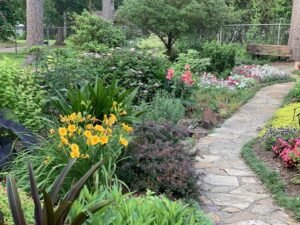
Climate-appropriate plants can contribute to a yard’s appearance beyond a single season. Evergreen selections can provide structure during colder months, while flowering plants and shrubs can introduce color during spring and summer. Plants with attractive foliage, berries, or autumn color can extend visual interest as the year changes.
Consider the Entire Property
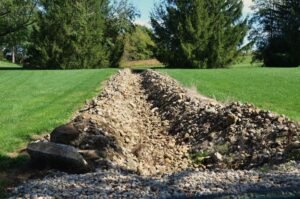
Plant selection should work with paths, patios, turf, drainage areas, fences, and existing trees. Mature size is also important. A plant that fits a bed today may eventually obstruct windows or crowd walkways if its future growth is overlooked.
For homeowners researching landscape design, professional planning can help match plants with site conditions and intended use. Choosing plants with local conditions in mind can make outdoor areas more resilient, easier to manage, and visually appealing while supporting practical year-round use.
Using artificial grass products, turf products, and a landscaping company in Essex can complement climate-appropriate planting with practical surfaces and outdoor solutions. Turrific Turf can help you build a property where planting choices and functional features work together for lasting appeal. Contact us today.