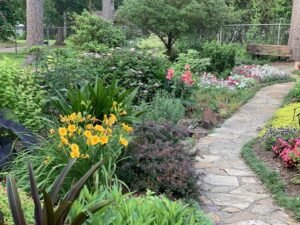
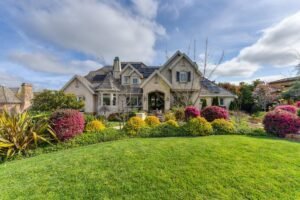
A successful planting plan begins with the conditions already present in a yard. Residential planting design works best when sunlight, shade, soil, moisture, and available space guide plant selection. For homeowners considering backyard design, matching plants to each area can support healthier growth and easier care.
Sunlight Comes First
Observe how much direct sun each part of the yard receives throughout the day. Full sun areas can support plants that need several hours of strong light, while partially shaded spaces suit varieties that prefer filtered conditions. Deep shade requires plants that can grow with limited direct sunlight. Placing sun-loving plants beneath dense trees may lead to weak growth and poor flowering.
Understand Soil Conditions
Soil affects drainage, root development, and nutrient availability. Before planting, check whether an area has sandy, clay-heavy, compacted, or organically rich soil. Some plants tolerate poor drainage, while others need soil that drains quickly. Adding suitable organic material or improving drainage can make difficult areas more suitable for planting.
Pay Attention to Moisture
Water levels can vary significantly across one property. Low areas may remain damp after rainfall, while raised beds and spaces beside structures can dry faster. Plants should be placed according to their moisture needs rather than receiving the same treatment everywhere. Grouping plants with similar watering requirements can make routine care simpler.
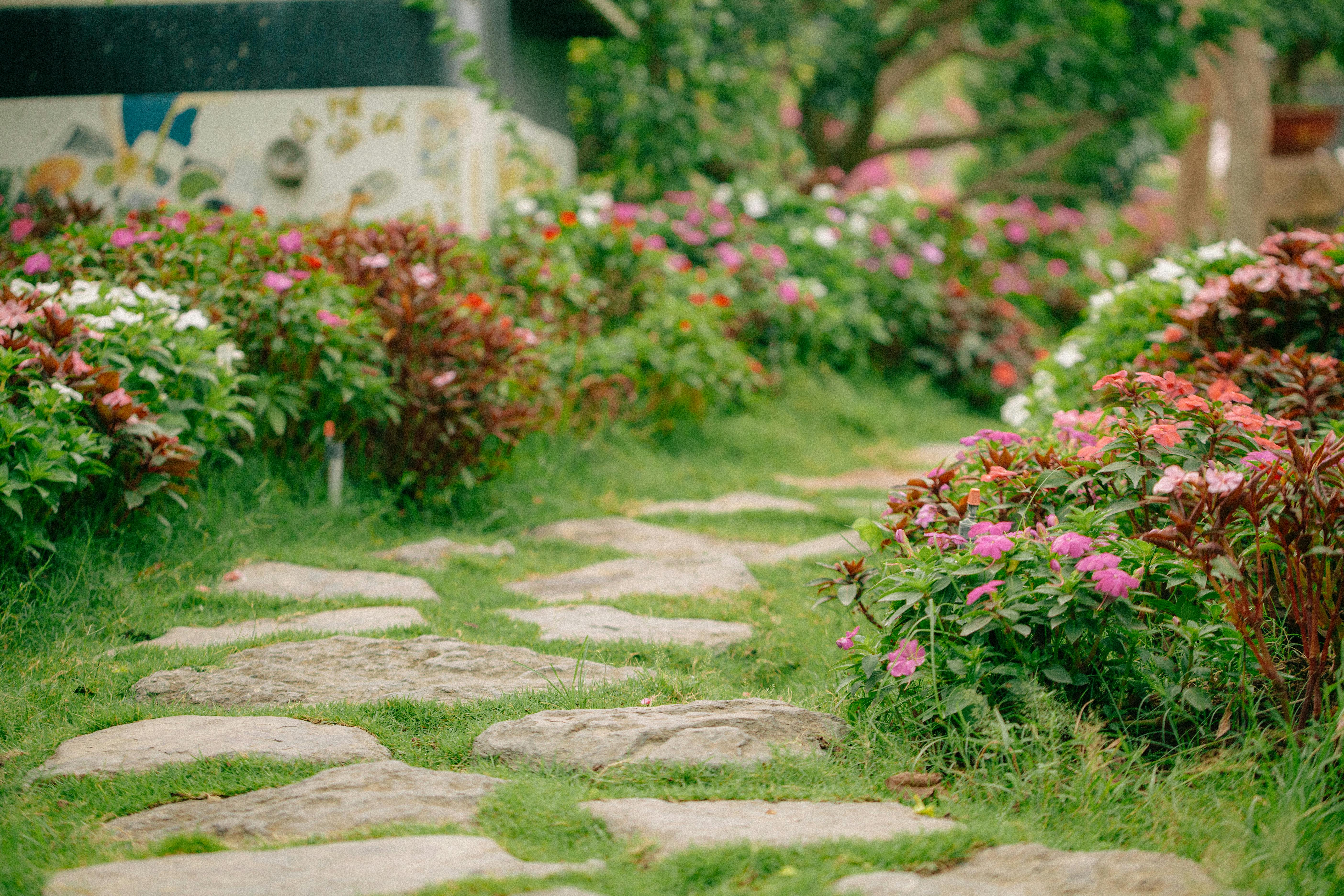
Consider Available Space
Plant size at maturity should influence placement from the beginning. A small shrub may eventually become wide enough to crowd a walkway, window, fence, or neighboring plant. Give each selection sufficient room for its mature height and spread. This reduces future pruning and helps plants maintain healthier forms.
Use Shade Strategically
Trees, fences, walls, and buildings can create changing shade patterns during the day. These conditions should be observed before choosing plants. Shade can also be useful for creating comfortable sitting areas and protecting plants that cannot tolerate intense afternoon heat.
Think Beyond Appearance
Good planting decisions should consider maintenance, seasonal changes, and how people use the property. Plants near paths may need to remain compact, while taller selections can provide privacy farther from high-traffic areas. Evergreen shrubs can offer year-round structure, while flowering plants can add seasonal color.
For homeowners researching landscape design, plant placement should support the property’s practical needs as well as its visual character. Thoughtful spacing and suitable plant choices can create a healthier, easier-to-manage outdoor setting.
Matching plants to their conditions helps reduce unnecessary maintenance and supports stronger growth over time. Turrific Turf can help bring together artificial grass products, turf products, and a landscaping company in Windsor for a practical outdoor space suited to your property, with practical choices that fit your routine and complement existing outdoor features. Contact us today.