Designing a backyard today is no longer just about planting grass or adding a few chairs. Homeowners are now focusing on functionality, comfort, and long-term usability. One of the most effective approaches is applying practical backyard zoning tips to divide outdoor areas into purposeful sections. This method transforms even average yards into well-structured, lifestyle-driven spaces.
A properly zoned backyard does not feel complicated or crowded. Instead, it feels intuitive, organized, and easy to use. Whether you enjoy entertaining guests, spending time with family, or simply relaxing outdoors, zoning helps ensure every part of your yard has meaning and purpose.
Understanding How You Actually Use Your Yard
Before making any design decisions, it is important to understand how your outdoor space fits into your daily life. Many homeowners rush into landscaping without considering usage patterns, which often leads to underused or impractical areas.
For example, families may need an open space for children, while others may prioritize a calm seating area or outdoor dining setup. Homeowners exploring backyard design in Windsor often start by listing activities they want to support outdoors. This simple step helps define how many zones are actually needed.
Designing Functional Zones With Purpose
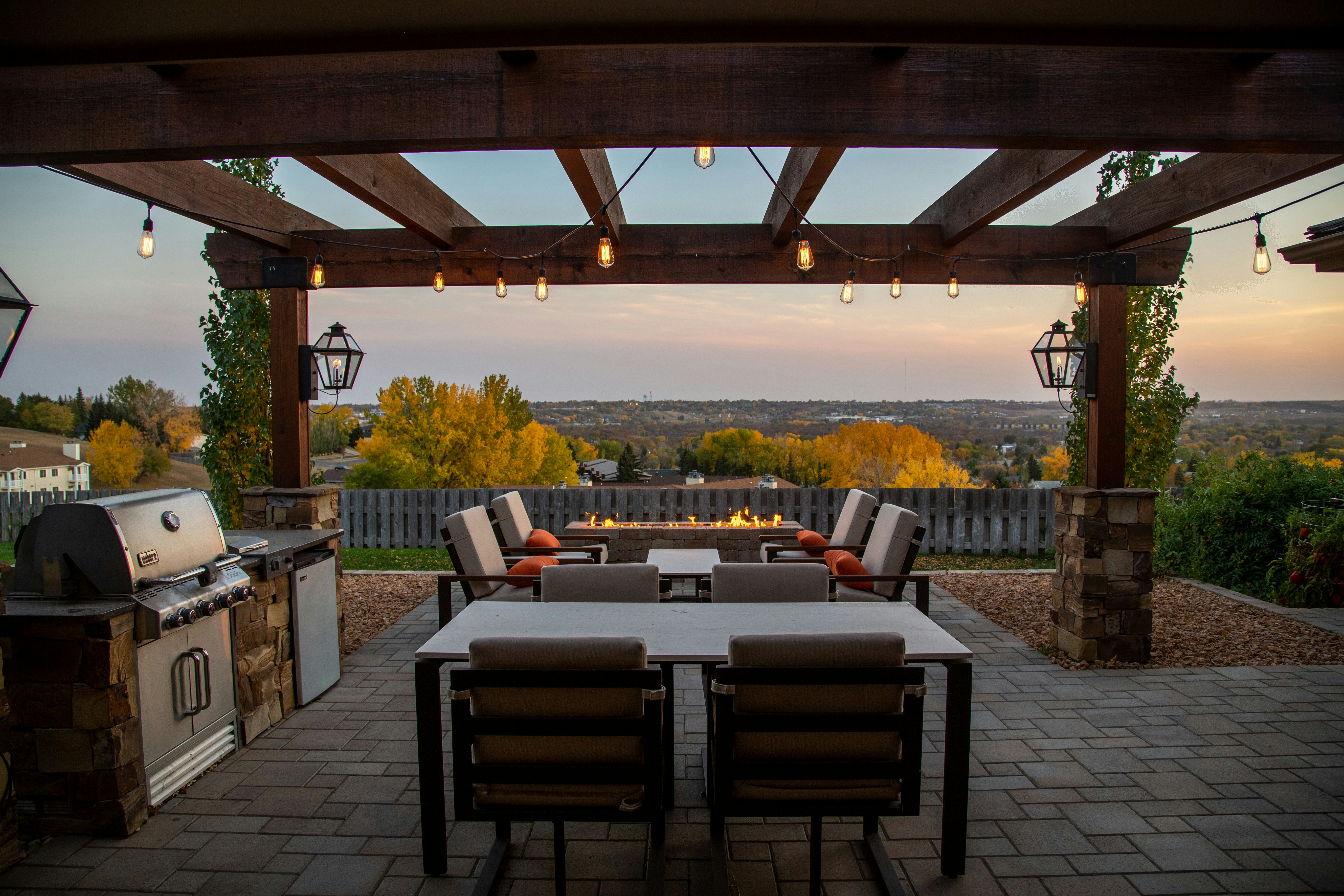
Once lifestyle needs are clear, the next step is dividing the yard into functional areas. Common zones include dining, relaxation, greenery, and activity spaces. Each zone should serve a specific purpose while contributing to the overall flow of the yard.
In many modern landscaping projects in Essex and Windsor, designers focus on keeping zones simple and practical. A dining area is often placed near the home for convenience, while relaxation zones are positioned in quieter corners of the yard.
Using Natural Elements To Define Spaces
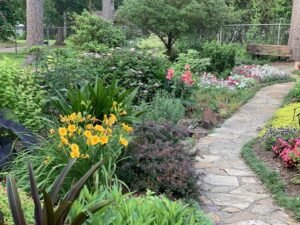
Instead of using physical barriers, natural design elements are far more effective for zoning. Plants, turf transitions, pathways, and subtle elevation changes can all help define areas without making the space feel restricted.
Services offered by landscaping companies such as Turrific Turf often use soft boundaries, such as hedges or decorative planters, to separate zones. This maintains openness while still giving structure to the layout.
Artificial turf is another popular solution because it creates visual consistency while keeping maintenance low. It works especially well in activity or relaxation zones where durability and cleanliness are important.
Improving Flow And Long-Term Flexibility
One of the most overlooked aspects of backyard design is movement between zones. A well-designed yard should feel natural to walk through, without abrupt transitions or confusing layouts.
Pathways made of stone, gravel, or turf help guide movement while keeping the design cohesive. Lighting also plays a major role, especially in the evening when different zones need subtle definition.
Ultimately, effective backyard zoning tips focus on balance, usability, and simplicity. When done correctly, your backyard becomes an extension of your home rather than just an outdoor area.
Thinking about upgrading your outdoor layout? Turrific Turf can help you design a structured, functional, and beautiful backyard tailored to your lifestyle.